.jpg)
Електронните таблици и самостоятелните инструменти често са в основата на ранните бизнес операции. Те са гъвкави, познати и лесни за започване на работа. За малки екипи и прости работни процеси те се усещат ефективни и достатъчни. В началото те помагат на бизнеса да се движи бързо без сложността на формалните системи.
Проблемът не е, че електронните таблици и инструменти са лоши. Проблемът е, че те не са проектирани да растат с бизнеса. С разширяването на операциите ограниченията на тези инструменти започват да излизат на повърхността бавно, често незабелязано в началото.
Това, което някога се е усещало като контрол, постепенно се превръща в работа по координация. Екипите прекарват повече време в управление на данни, отколкото в използването им. Вместо да подкрепят растежа, инструментите започват да му се съпротивляват.
Когато гъвкавостта се превръща в крехкост
Едно от най-големите предимства на електронните таблици е гъвкавостта. Всеки може да ги редактира, да персонализира формули и да създава нови изгледи. Тази гъвкавост обаче си има цена. Тъй като повече хора имат достъп до едни и същи файлове, последователността става трудна за поддържане.
Появяват се множество версии. Малките промени остават недокументирани. Грешките се въвеждат без видимост. С течение на времето екипите спират да се доверяват напълно на данните и започват да проверяват всичко ръчно.
В мащаб гъвкавостта без структура се превръща в крехкост. Системите трябва да защитават целостта на данните, а не да зависят от внимателно поведение.
Разделените инструменти създават невидими пропуски
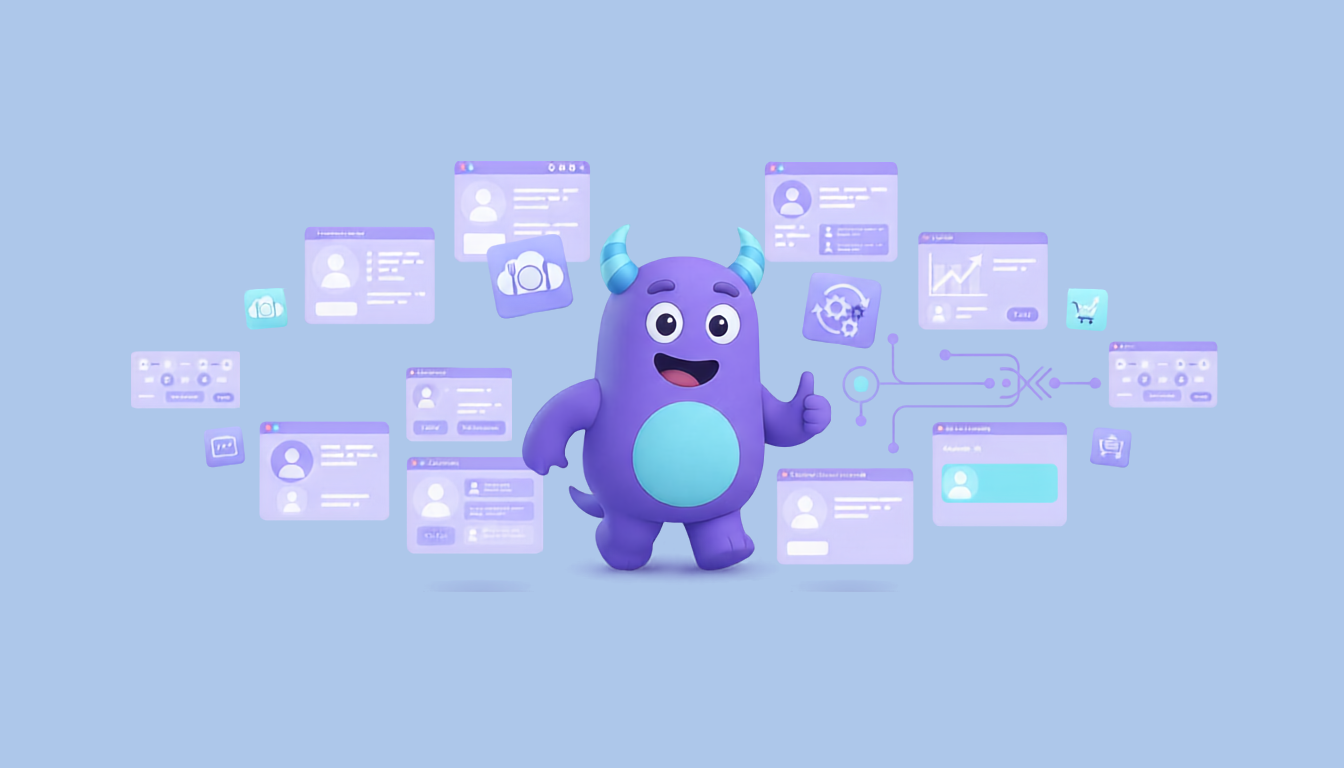
Много развиващи се бизнеси разчитат на колекция от специализирани инструменти: един за продажби, друг за задачи, друг за финанси и няколко за комуникация. Всеки инструмент работи добре сам по себе си, но рядко отразяват пълната оперативна картина заедно.
Информацията трябва да се копира между системите ръчно. Актуализациите изостават от реалността. Решенията се вземат с помощта на частични данни, защото няма единно място, което да показва как всичко е свързано.
Тези пропуски не винаги са очевидни, но въвеждат забавяния, грешки и несъответствия между екипите.
Ръчната координация става системата
Когато инструментите са разделени, хората стават системата. Мениджърите координират чрез срещи, съобщения и напомняния. Служителите разчитат на паметта вместо на работните процеси. Напредъкът зависи от постоянната комуникация, а не от предвидимите процеси.
Този подход не се мащабира. С нарастването на екипите координационните разходи се увеличават по-бързо от производителността. Изискват се повече усилия само за да се поддържат нещата в движение.
В крайна сметка организацията изразходва повече енергия за управление на работата, отколкото за предоставяне на стойност.
Защо отчитането се проваля първо
Една от най-ранните жертви на операциите, базирани на инструменти, е отчитането. Данните съществуват, но живеят на различни места. Подготовката на отчети се превръща в ръчна задача, която отнема време и все още не е точна.
Отчетите описват какво се е случило преди седмици, а не какво се случва сега. Лидерите губят способността да действат бързо, защото информацията пристига твърде късно.
Без интегрирани системи отчитането става реактивно, а не стратегическо.
Растежът разкрива структурни слабости
С увеличаването на обема на клиентите малките неефективности се умножават. Задачите, които някога са били управляеми, стават непосилни. Процесите, които са разчитали на неформална координация, започват да се провалят.
Това, което е работило за малка операция, вече не поддържа сложността на разрастващ се бизнес. Проблемът не е в хората или в натовареността. Това е несъответствието между мащаба и структурата.
Това е моментът, в който електронните таблици и инструменти спират да бъдат полезни и започват да се превръщат в пречки.
Защо бизнесите отлагат прехода
Въпреки тези предизвикателства, много бизнеси отлагат преминаването от електронни таблици и самостоятелни инструменти. Познатото се чувства по-безопасно от промяната. Има опасения относно прекъсванията, обучението и разходите.
Отлагането на прехода обаче увеличава дългосрочния риск. Колкото повече данни и процеси зависят от крехки системи, толкова по-трудна става миграцията по-късно.
Това, което се усеща като стабилност, често е натрупан технически и оперативен дълг.
Преминаване от инструменти към системи
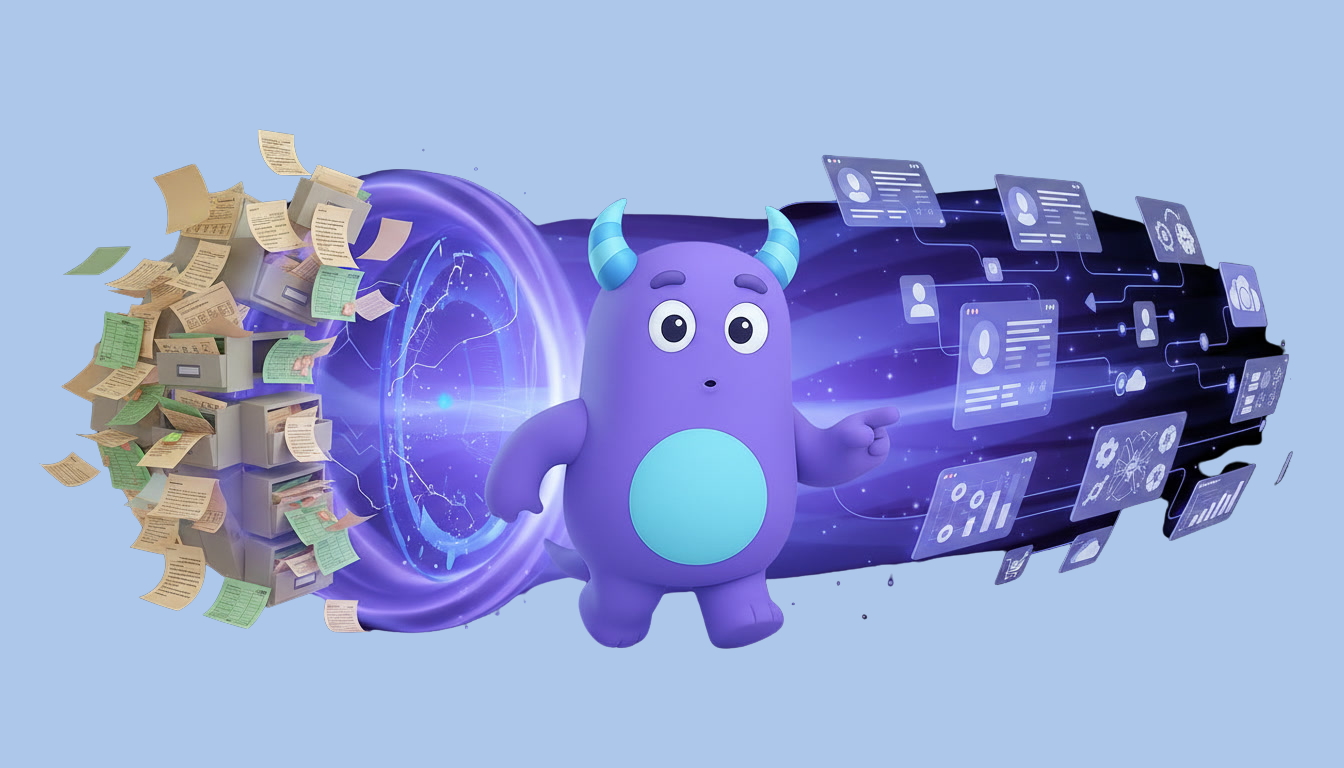
Решението не е в добавянето на повече инструменти. Става въпрос за замяна на фрагментираните работни процеси с унифицирана система, която отразява как всъщност работи бизнесът.
Интегрираните системи осигуряват структура, последователност и видимост. Те намаляват ръчната координация, защитават целостта на данните и поддържат вземането на решения в реално време.
Когато системите растат с бизнеса, екипите възвръщат яснотата, увереността и контрола.
Гледайки напред
Надрастването на електронните таблици и инструменти е естествен етап от бизнес еволюцията. Разпознаването му рано позволява на компаниите да преминат умишлено, а не реактивно.
Следващата стъпка е да се разбере какъв вид система може да замени фрагментираните инструменти, без да добавя ненужна сложност. Там съвременните ERP платформи влизат във фокус.
.jpg)
.jpg)