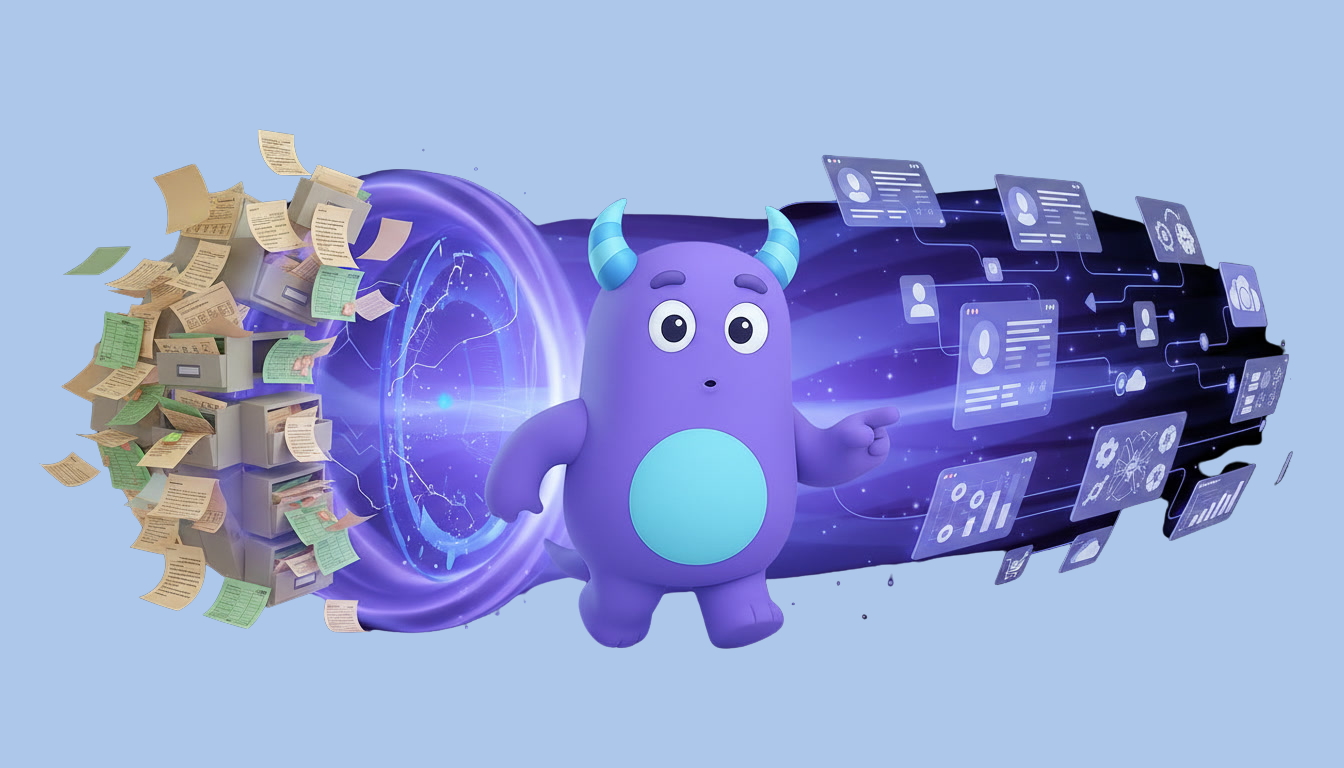

Service businesses rely heavily on repeated work. Tasks are created, projects move through similar stages, clients receive regular updates, and internal coordination follows familiar patterns. While each situation may feel unique, much of the work repeats every day.
When repeated work is handled manually, reliability depends on memory, attention, and effort. Over time, this approach creates inconsistency. Steps are skipped, follow-ups are delayed, and quality varies depending on who is involved.
Automation changes this dynamic by turning repeated actions into systems that operate consistently, regardless of workload or pressure.
Repetition Without Structure Creates Risk
Repeated tasks often feel harmless. Sending updates, assigning tasks, preparing similar documents, or following up on approvals seems manageable when handled one by one. However, repetition without structure increases the chance of error.
As volume grows, small mistakes become frequent. Missed steps, forgotten tasks, and delayed responses begin to affect delivery and client trust.
Automation reduces this risk by ensuring that repeated actions follow the same path every time.
Systems Remove Dependency on Memory
Manual work relies on people remembering what to do next. This creates mental load and constant checking. Teams compensate with reminders, notes, and follow-up messages.
Automation removes this dependency. When workflows are defined once and executed automatically, progress continues even when people are busy or unavailable.
This shift reduces stress and improves reliability.
Consistency Improves Service Quality
Clients expect consistent service. They may accept delays occasionally, but inconsistency damages trust. One smooth experience followed by a confusing one creates doubt.
Automation supports consistent execution by applying the same rules across all cases. Tasks are created on time, updates are sent predictably, and handoffs follow clear steps.
Consistency becomes a feature of the service, not a result of effort.
Automation Scales What Already Works
Automation is most effective when applied to proven processes. It does not create quality on its own. It amplifies existing structure.
When teams automate repeated workflows that already deliver good outcomes, they protect those outcomes as volume increases. Growth does not introduce chaos.
This makes automation a foundation for scaling, not a shortcut.
Reliable Systems Free Teams to Focus
When systems handle routine coordination, teams regain focus. Less time is spent managing tasks and more time is spent delivering value.
Automation reduces interruptions, decision fatigue, and manual follow-ups. Teams work with greater clarity and confidence.
Reliable systems support sustainable performance rather than constant urgency.
Where Repeated Work Should Be Automated
Service businesses benefit most when automating task creation, approvals, follow-ups, notifications, billing triggers, and status updates. These activities repeat frequently and are prone to delay when handled manually.
Automating these areas ensures that work moves forward without constant supervision.
Conclusion
Repeated work is unavoidable in service businesses, but inconsistency is not. When repeated actions rely on manual effort, reliability suffers.
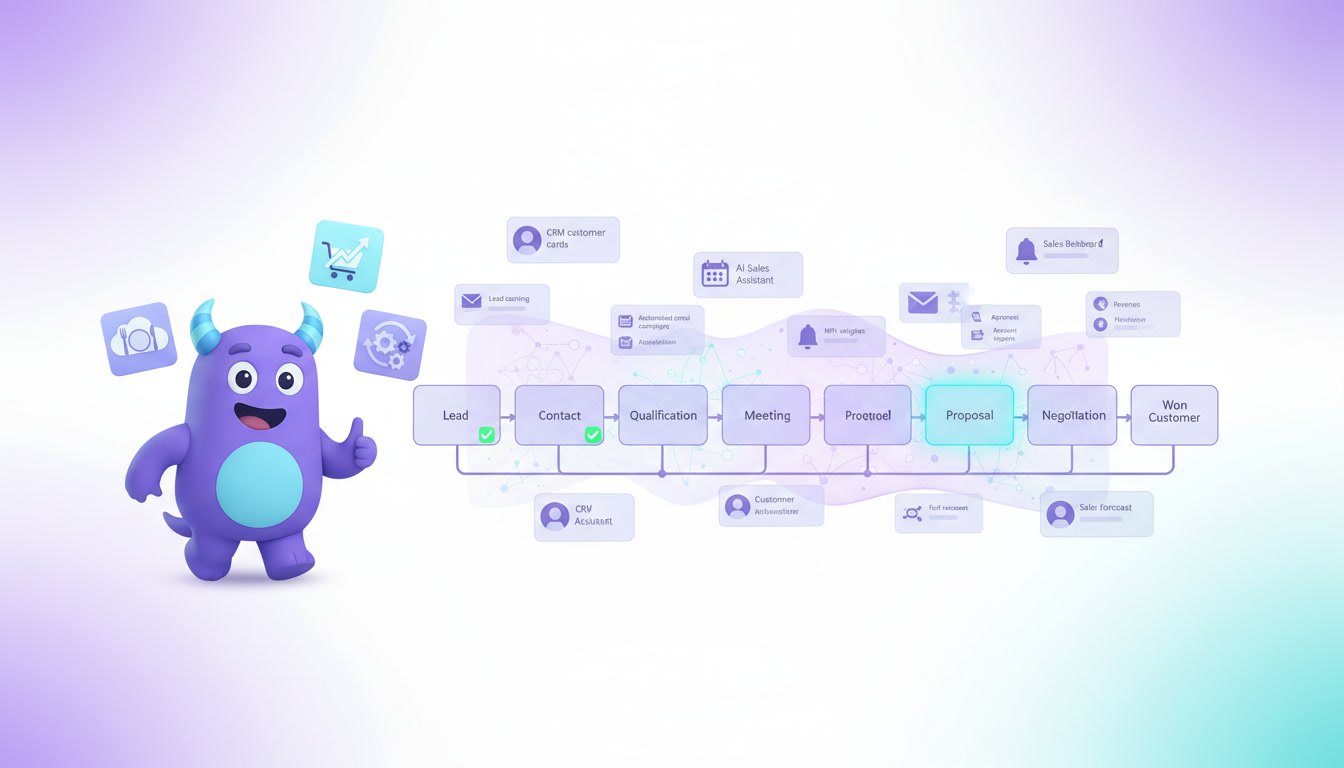
Automation turns repetition into dependable systems. By embedding structure into daily workflows, service businesses improve quality, reduce stress, and scale with confidence. Reliable execution becomes the norm rather than the exception.
.jpg)

.jpg)