
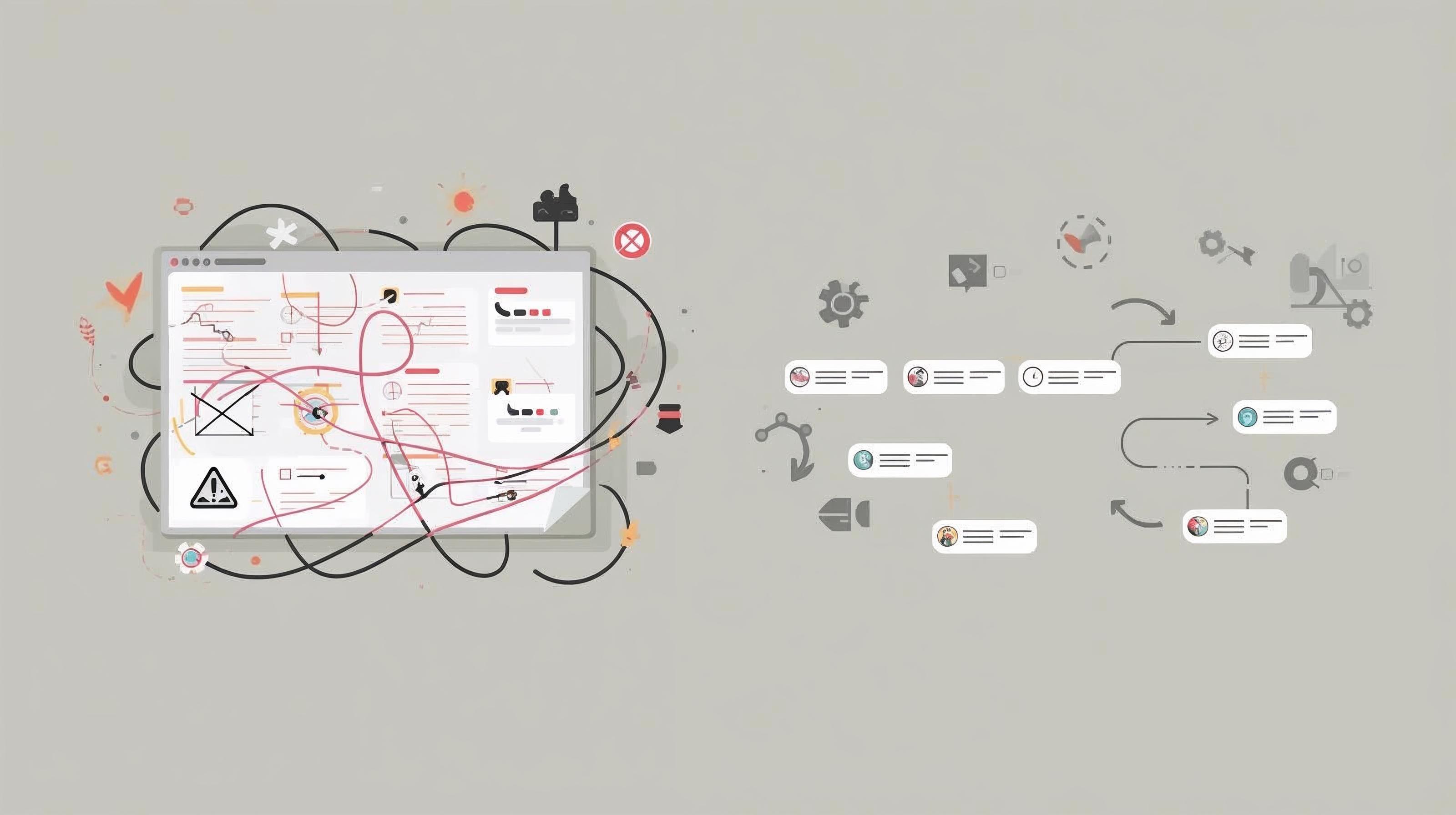
Project failure is one of the most expensive problems service businesses face. Missed deadlines, budget overruns, frustrated clients, and exhausted teams are often treated as unavoidable side effects of growth. In reality, most project failures follow clear patterns and can be prevented with the right structure and systems.
Service projects are different from product delivery. They depend on people, communication, changing requirements, and coordination across roles. When these elements are not managed intentionally, even experienced teams struggle to deliver consistently.
This article explains why projects fail in service businesses and what practical steps teams can take to prevent these issues in 2026 and beyond.
The Most Common Reasons Projects Fail
While every project looks different, the underlying causes of failure are often the same. Recognizing these patterns early is key to avoiding repeated mistakes.
Unclear Scope and Expectations
Many service projects begin with vague definitions of what is included. As work progresses, additional requests appear, priorities shift, and timelines stretch. Without a clear scope and agreed boundaries, teams end up doing more work than planned without adjusting timelines or budgets.
This leads directly to delays, cost overruns, and client dissatisfaction.
Lack of Ownership and Responsibility
When tasks and decisions are not clearly assigned, work slows down. Team members wait for direction, approvals are delayed, and accountability becomes blurred. In service businesses, where collaboration is constant, unclear ownership quickly turns into project stagnation.
Poor Task Breakdown and Planning
Projects often fail because they are managed at too high a level. Large goals are discussed, but detailed task planning is missing. Without breaking work into actionable steps with deadlines and owners, progress becomes difficult to track and control.
Communication Gaps
Information is frequently spread across emails, chats, meetings, and documents. Important updates are missed, decisions are forgotten, and team members work with outdated information. Over time, these gaps accumulate and create confusion that slows delivery.
No Visibility Into Progress
Many managers only realize a project is in trouble when it is already late. Without real-time visibility into task status, dependencies, and risks, problems remain hidden until they become critical.
Why These Problems Get Worse as Businesses Grow
As service businesses scale, projects involve more people, more clients, and more parallel work. Processes that worked for a small team break down under pressure. Manual coordination becomes harder, and informal communication no longer scales.
Growth without structured project management leads to:
- Inconsistent delivery quality
- Increased stress on key team members
- Higher employee turnover
- Loss of client trust
To prevent this, project management must evolve from ad-hoc coordination into a defined system.
How to Prevent Project Failure in Service Businesses
Preventing project failure does not require complex methodology. It requires clarity, structure, and consistency.
Define Clear Project Scope From the Start
Every project should begin with a clear understanding of what is included, what is not, and how changes will be handled. Documenting scope and linking it to tasks helps teams recognize when additional work requires adjustment to time or cost.
Break Projects Into Manageable Tasks
Successful projects are built from clear, actionable tasks. Each task should have an owner, a deadline, and a clear outcome. This makes progress measurable and prevents work from getting stuck.
Assign Ownership at Every Level
There should always be clarity about who is responsible for what. Project owners oversee the full delivery, while task owners ensure execution at the operational level. Ownership creates accountability and faster decision-making.
Centralize Communication and Documentation
Keeping project-related communication, files, and decisions in one place reduces misunderstandings and saves time. Team members can quickly understand context without searching through multiple tools.
Use Real-Time Progress Tracking
Managers and teams need visibility into what is happening right now, not just weekly updates. Task statuses, overdue items, and upcoming deadlines should be visible at a glance so issues can be addressed early.
Standardize Repeatable Project Types
Many service businesses deliver similar projects repeatedly. Creating templates with predefined tasks, stages, and checklists improves consistency and reduces planning time. It also ensures best practices are followed every time.
The Role of Systems in Reliable Project Delivery
Tools alone do not fix project problems, but the right system supports good practices. A modern project management approach for service businesses should connect:
- Clients and contracts
- Projects and tasks
- Team members and responsibilities
- Communication and documentation
- Time, costs, and billing
When these elements are connected, teams spend less time coordinating and more time delivering value.
Conclusion
Project failure in service businesses is not inevitable. Most failures are the result of unclear scope, weak planning, fragmented communication, and lack of visibility. By addressing these areas with structured processes and supportive systems, teams can deliver projects on time, within budget, and with far less stress.
In 2026, service businesses that treat project management as a core operational discipline — not an afterthought — will be the ones that scale successfully while maintaining quality and client trust.