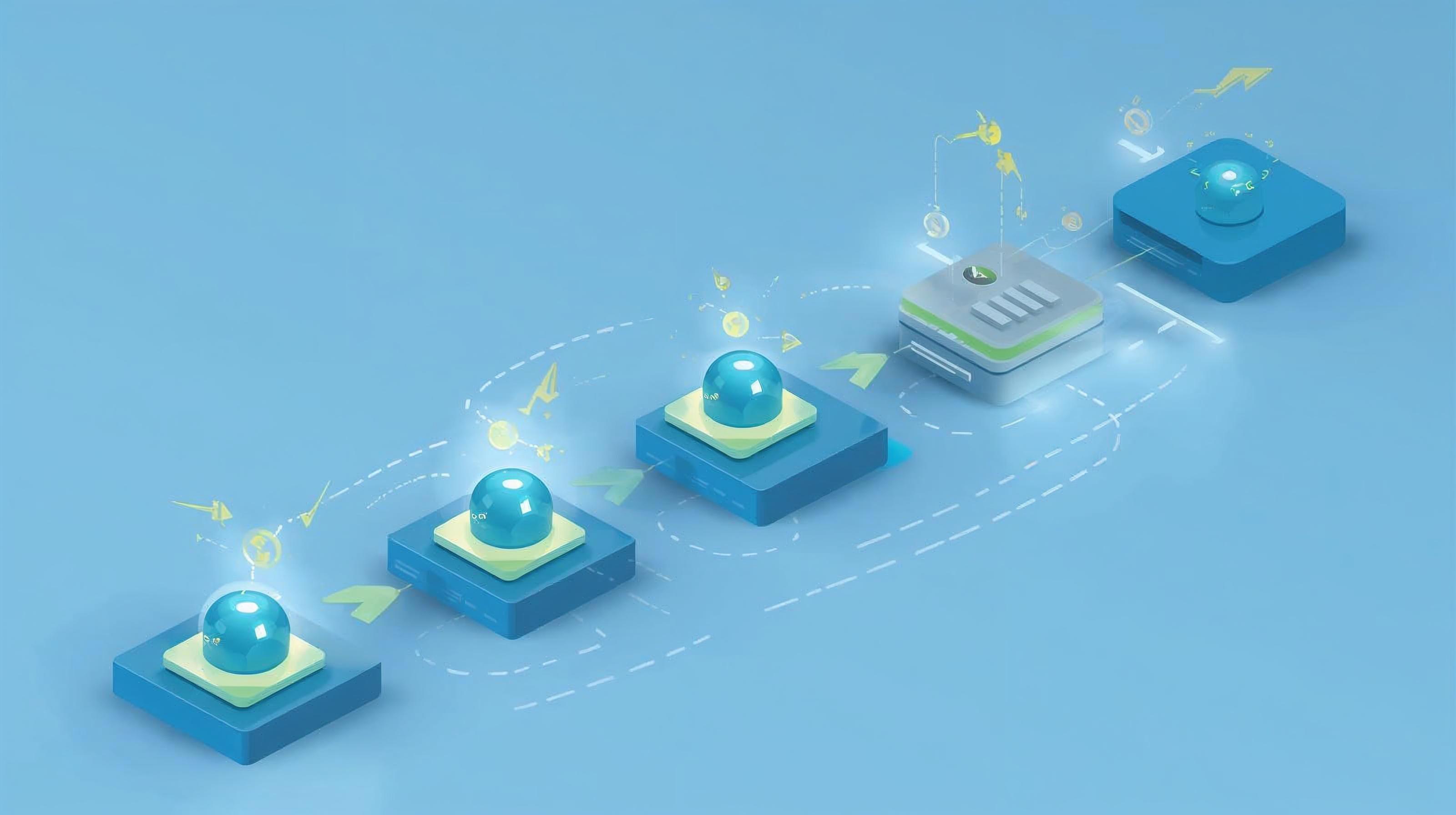
Attracting leads is an important part of growing a business, but it is only the beginning. The real challenge is turning those leads into paying customers in a consistent and predictable way.
Many businesses struggle not because they lack leads, but because they do not have a structured system to manage and convert them. Without a clear process, leads are lost, follow-ups are missed, and opportunities disappear.
This is where a sales funnel becomes essential.
What Is a Sales Funnel?
A sales funnel is a structured process that guides potential customers from their first interaction with your business to the final purchase.
It is called a funnel because many people enter at the beginning, but only a smaller percentage become customers. Each stage of the funnel represents a step in the decision-making process.
A well-designed funnel helps businesses move leads forward efficiently and improve conversion rates.
The Main Stages of a Sales Funnel
1. Awareness
At this stage, potential customers discover your business through content, search engines, social media, or advertising.
The goal here is to attract attention and introduce your brand to the right audience.
2. Interest
Once people are aware of your business, they begin to learn more about your product or service.
They explore your website, read content, and evaluate whether your solution is relevant to their needs.
3. Decision
At this stage, leads compare options and consider making a purchase.
They may look at pricing, features, and alternatives before making a decision.
4. Action
This is the final step where the lead becomes a customer.
A clear offer, simple process, and timely communication are key to success at this stage.
Why Sales Funnels Are Important
Without a sales funnel, businesses operate without structure. This leads to inconsistent results and missed opportunities.
A funnel provides a clear path for leads, making it easier to manage communication, track progress, and improve performance.
It also helps businesses understand where leads are dropping off and how to improve each stage.
How to Build a Sales Funnel Step by Step
Step 1: Attract the Right Audience
The first step is bringing in the right people. This can be done through SEO, content marketing, social media, or paid advertising.
Targeting the wrong audience leads to low conversions later.
Step 2: Capture Leads
Once people show interest, you need to capture their information.
This can be done through forms, landing pages, or sign-ups.
Step 3: Nurture Your Leads
Most leads are not ready to buy immediately. They need time to build trust.
Lead nurturing involves providing value through communication, content, and follow-ups.
Step 4: Convert Leads Into Customers
At this stage, your goal is to close deals.
Clear messaging, strong offers, and fast responses can significantly increase conversions.
Step 5: Optimize Your Funnel
A sales funnel should be continuously improved.
Tracking performance helps identify weak points and improve results.
Common Sales Funnel Mistakes
One common mistake is focusing only on generating leads without nurturing them.
Another mistake is having no clear structure or system to manage leads.
Overcomplicating the funnel can also reduce performance.
The Role of Automation
As your business grows, managing leads manually becomes difficult.
Automation helps streamline processes such as follow-ups, task assignments, and communication.
This ensures that no lead is missed and that every stage of the funnel runs smoothly.
How CRM Systems Improve Sales Funnels
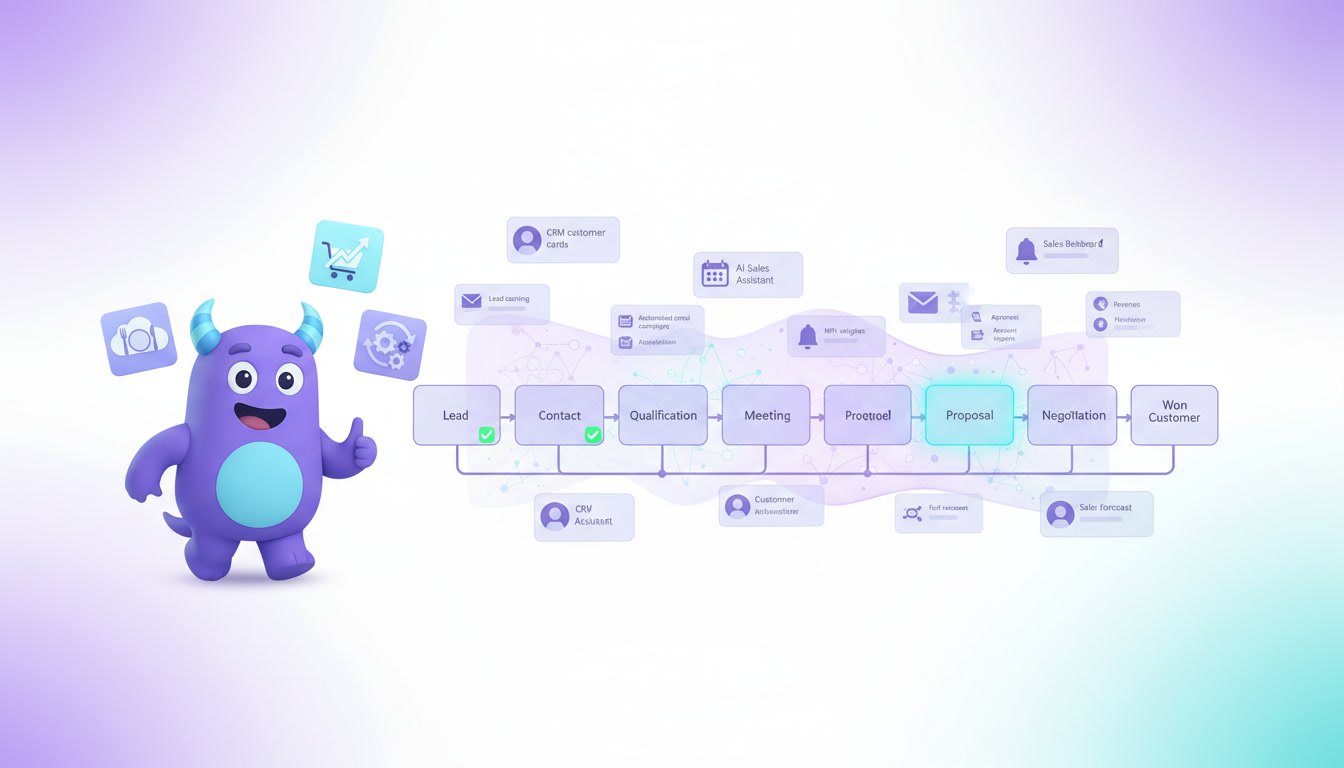
CRM systems play a key role in managing and optimizing sales funnels.
They allow businesses to track leads, manage pipelines, and automate workflows in one place.
With tools like Lua CRM, businesses can build structured funnels that improve efficiency and increase conversions.
This creates a clear system for turning leads into customers.
Conclusion
A sales funnel is essential for any business that wants to grow consistently.
By understanding each stage and building a structured process, you can improve your ability to convert leads into customers.
The key is to keep your funnel simple, focused, and continuously optimized.
With the right approach and tools, your sales funnel can become a powerful engine for business growth.
.jpg)

.jpg)