The Hidden Cost of Running a Business on Too Many Software Tools
Most growing businesses do not intentionally build complicated technology stacks. New tools are added one by one to solve specific problems: a CRM for sales, a project tracker for delivery, accounting software for finance, chat apps for communication, scheduling tools for teams, and reporting dashboards for leadership. At first, this approach feels productive. Each department gets exactly what it needs, and new systems are adopted quickly.
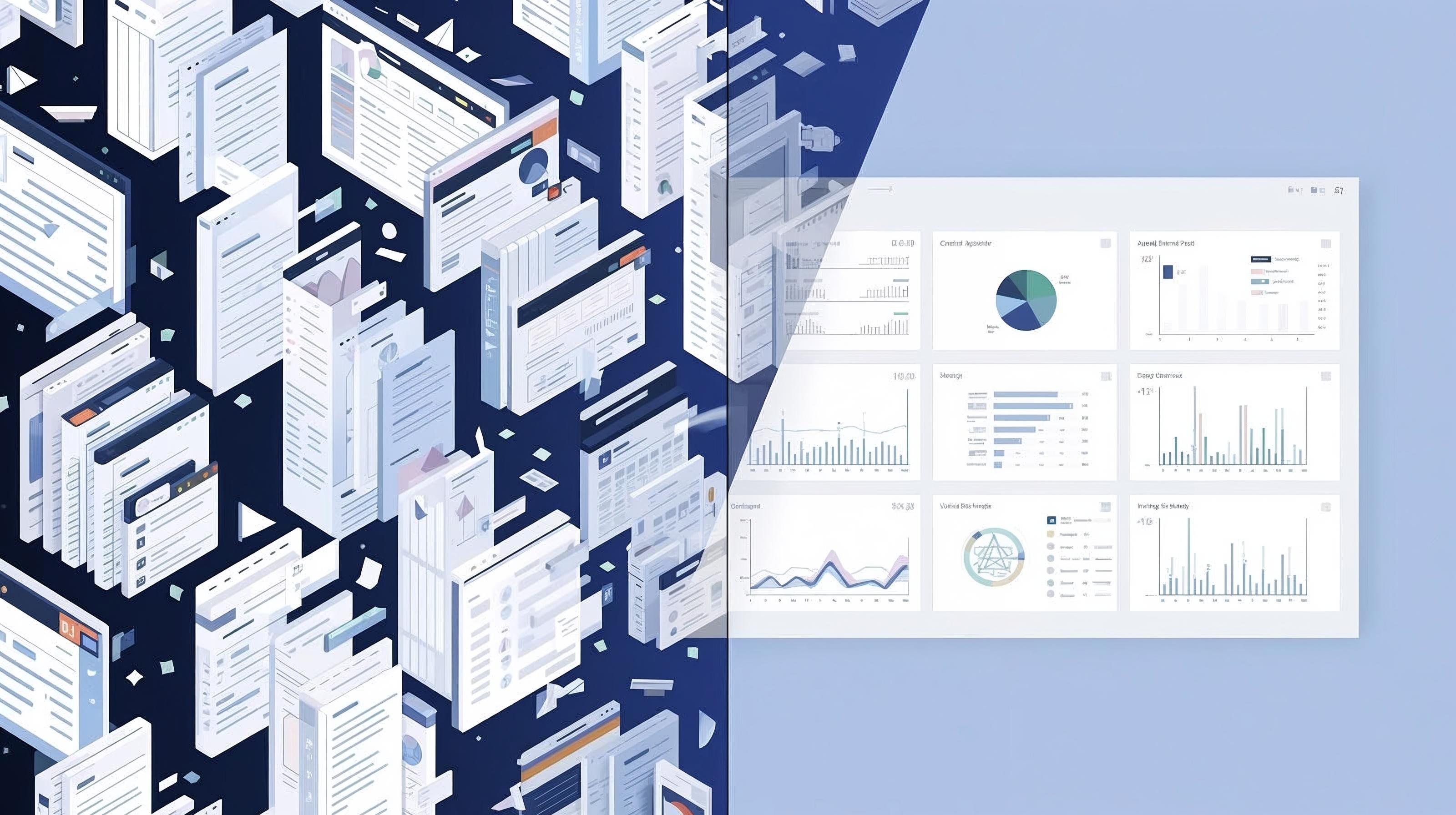
Over time, however, the number of tools increases while visibility decreases. Information spreads across platforms, teams duplicate work, and managers struggle to understand what is really happening inside the business. The cost of running on too many systems is rarely obvious at first, but it quietly grows alongside revenue, reducing efficiency, slowing decisions, and increasing operational risk.
When software tools are disconnected, employees become the bridges between systems. Sales teams export spreadsheets so finance can bill customers. Project managers manually update status reports for leadership. Operations teams reconcile schedules across calendars and task boards. Every hand-off introduces delays and opportunities for mistakes. The organization may look busy, but much of that activity is spent coordinating systems rather than serving customers.
Financial Blind Spots and Eroding Margins
Financial visibility is often one of the first areas to suffer. When invoicing, payroll, procurement, and project costs live in different platforms, leadership struggles to see true profitability. Forecasting becomes difficult. Budgets are built on partial data. Small revenue leaks go unnoticed because they are hidden inside spreadsheets or delayed reports. These issues accumulate gradually, eroding margins long before they trigger alarms.
Cash flow planning also becomes unreliable. Without integrated systems, finance teams cannot easily predict upcoming expenses, incoming payments, or staffing needs. Growth begins to feel risky rather than controlled.
Customer Experience Suffers Quietly
Customer-facing teams feel the consequences of fragmented systems every day. Support cannot always see what sales promised. Delivery teams lack context about earlier conversations. Clients receive inconsistent updates depending on which employee responds. Even strong teams struggle to deliver predictable service when information is scattered.
Retention suffers not because of poor intentions, but because systems prevent coordination. Service quality becomes dependent on individuals instead of reliable processes.
Growth Multiplies Complexity
As companies expand, complexity multiplies. New employees join, additional locations open, and service lines broaden. Informal processes that once worked begin to collapse. Onboarding slows because workflows live in people’s heads rather than inside systems. Approvals bottleneck. Projects slip. Leadership spends more time resolving confusion than planning strategy.
Many organizations respond by adding even more software. A new reporting dashboard. Another approval app. One more communication tool. Each addition solves a narrow problem while increasing the overall burden of managing technology.
From Isolated Tools to Integrated Systems
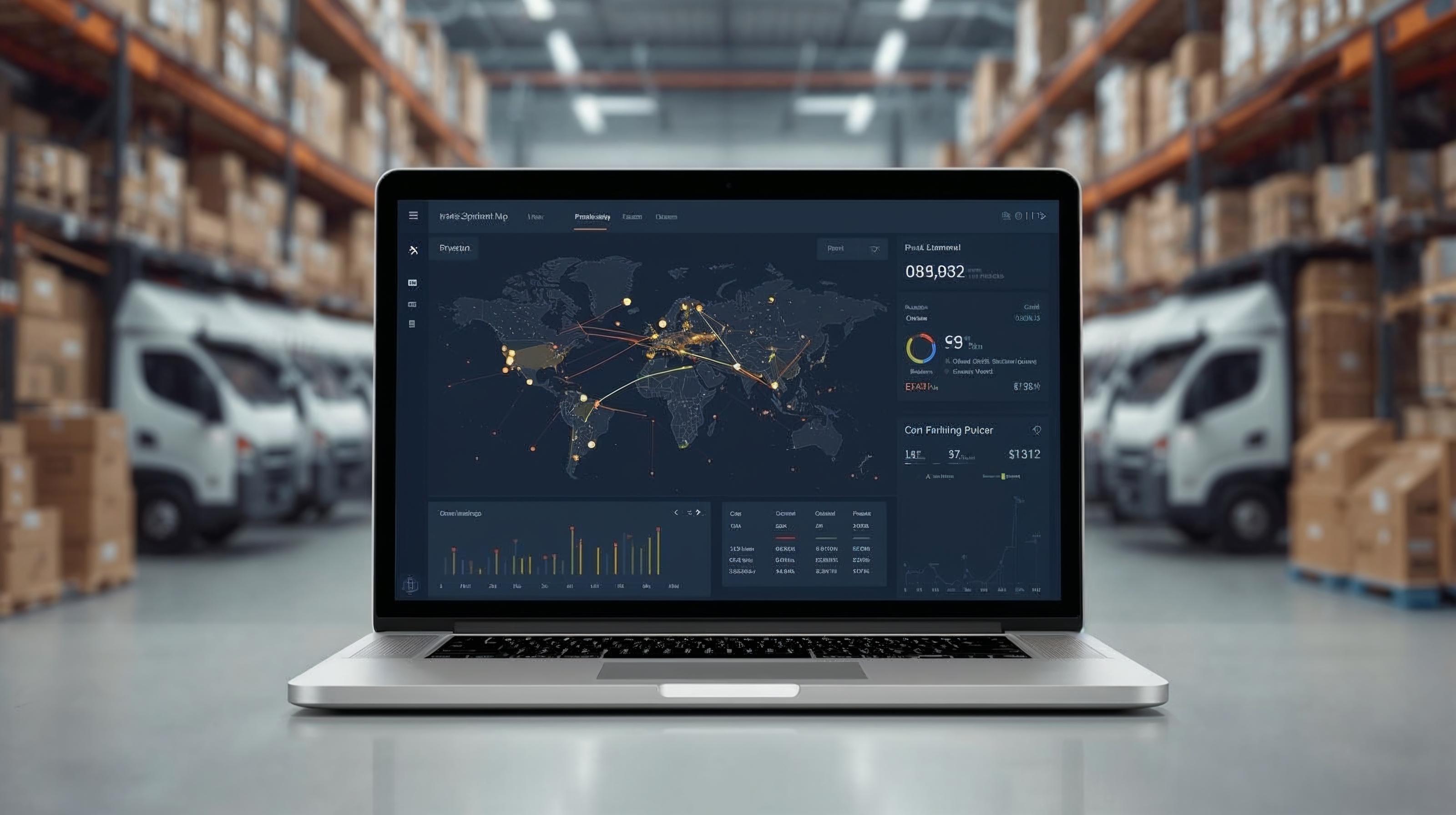
The real issue is not the number of tools, but the lack of an operational backbone. Tools handle individual functions. Systems connect the business end-to-end. When sales, projects, finance, scheduling, inventory, and communication operate in a shared environment, information flows automatically and teams work from the same data.
Leadership gains real-time visibility instead of waiting for monthly exports. Automation replaces manual follow-ups and approvals. Growth becomes predictable rather than stressful.
Why Service Businesses Feel the Impact First
Service organizations are especially vulnerable to software fragmentation because margins depend on utilization, coordination, and timely billing. Delayed invoices, underreported costs, missed follow-ups, and idle capacity directly affect profitability. Unified platforms reduce these risks by aligning departments around shared workflows and a single source of truth.
The Leadership Turning Point
Most executives recognize the danger signs when reporting becomes unreliable, forecasting feels risky, onboarding new staff takes too long, and reviews uncover surprises. These signals indicate that growth has outpaced systems.
Companies that act early consolidate platforms, standardize workflows, and automate routine work before serious damage occurs. The goal is not bureaucracy. It is clarity and control. Organizations that delay often face rushed transformations after customer losses or financial shocks.
Conclusion
Running a business on too many disconnected tools creates hidden costs that compound over time. Productivity declines, margins shrink, customer experience weakens, and leadership loses visibility just as the organization needs it most.
Reducing software sprawl and moving toward integrated systems restores operational clarity and prepares companies for sustainable growth. In competitive service markets, efficiency is not only about working harder. It is about designing operations that scale without multiplying complexity.