
Most businesses do not wake up one day and decide to implement an ERP system. Instead, they slowly experience operational friction. Small inefficiencies begin to multiply. Financial clarity becomes harder to maintain. Coordination requires more effort than it used to.
At first, these issues seem manageable. Teams compensate with extra work. Managers rely on spreadsheets. Founders step in to solve problems personally. But over time, complexity grows faster than structure.
An ERP system typically becomes necessary not because of company size — but because operational strain reaches a tipping point.
If you are unsure whether your business has reached that stage, the following signs provide clarity.
1. You Are Using Too Many Disconnected Tools
If your team relies on separate platforms for sales, invoicing, accounting, task management, reporting, and communication — fragmentation is already present.
Each additional tool may solve a specific problem, but together they create data silos. Information must be transferred manually. Reports require exporting and merging data. Errors increase.
When your tech stack feels like a patchwork rather than an integrated system, ERP becomes a logical next step.
2. Revenue Is Growing, but Profitability Is Unclear
Growth can create a false sense of security. Revenue numbers may increase month over month, yet margins remain uncertain.
If you struggle to answer questions like:
- Which services are most profitable?
- Which clients consume the most internal resources?
- Where are operational costs rising?
You likely lack integrated financial visibility. ERP systems connect operational data with financial reporting, allowing leadership to see beyond surface revenue.
3. Manual Processes Are Consuming Leadership Time
When managers spend significant time reviewing invoices, approving expenses, compiling reports, or tracking project status manually, scalability suffers.
Manual oversight may work temporarily, but it does not scale. ERP systems automate repetitive workflows, reducing dependency on constant supervision.
4. You Cannot Get Real-Time Reports
If generating a performance report requires exporting spreadsheets, reconciling numbers, or waiting for accounting updates, your reporting infrastructure is reactive rather than proactive.
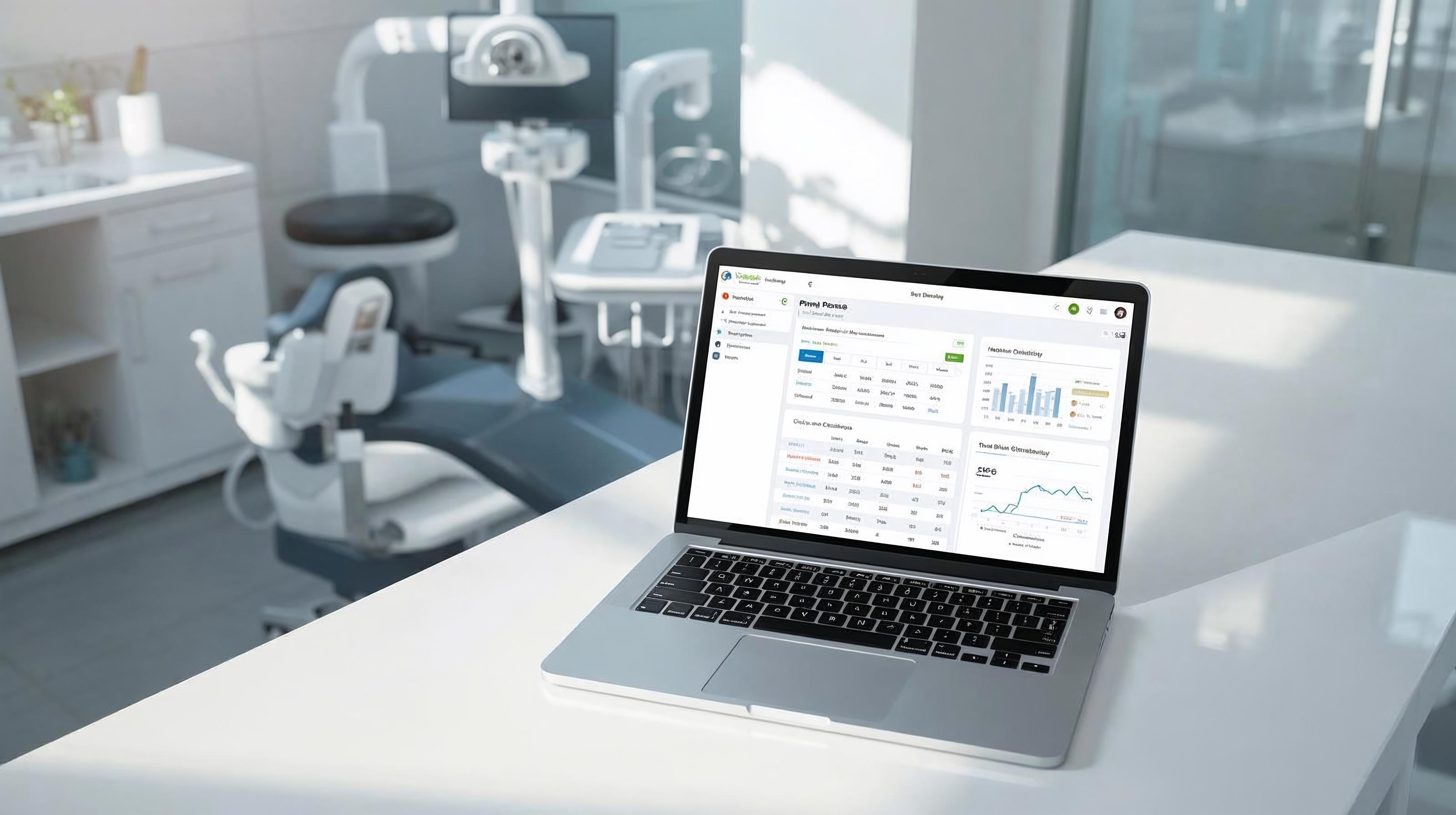
ERP systems provide real-time dashboards that connect revenue, expenses, projects, and team performance into one structured overview.
5. Operational Bottlenecks Are Slowing Growth
As client volume increases, unclear task ownership and approval delays become more visible. Projects stall not because of lack of effort, but because coordination systems are weak.
ERP introduces structured workflows with defined responsibilities and process tracking, reducing bottlenecks before they escalate.
6. Customer Experience Is Becoming Inconsistent
Inconsistent communication, billing errors, or delayed service delivery often signal internal disorganization.
When operations lack integration, customers feel the impact indirectly. ERP systems improve consistency by aligning internal processes with customer-facing outcomes.
7. The Founder Is the Central Decision Hub
If most operational decisions require founder involvement, scalability is constrained.
ERP systems support structured delegation by making data accessible, workflows transparent, and responsibilities measurable.
When information flows through systems instead of individuals, growth becomes sustainable.
When Is the Right Time?
There is no universal revenue threshold for ERP implementation. Instead, the decision should be based on structural readiness.
If complexity increases faster than coordination capacity, ERP is no longer an upgrade — it becomes a necessity.
Conclusion
ERP systems are not reserved for large enterprises. They are tools for businesses that want to scale responsibly, maintain financial clarity, and reduce operational friction.
If several of these signs feel familiar, your organization may already be operating beyond manual limits.
The question is not whether complexity exists. It is whether your systems are designed to handle it.