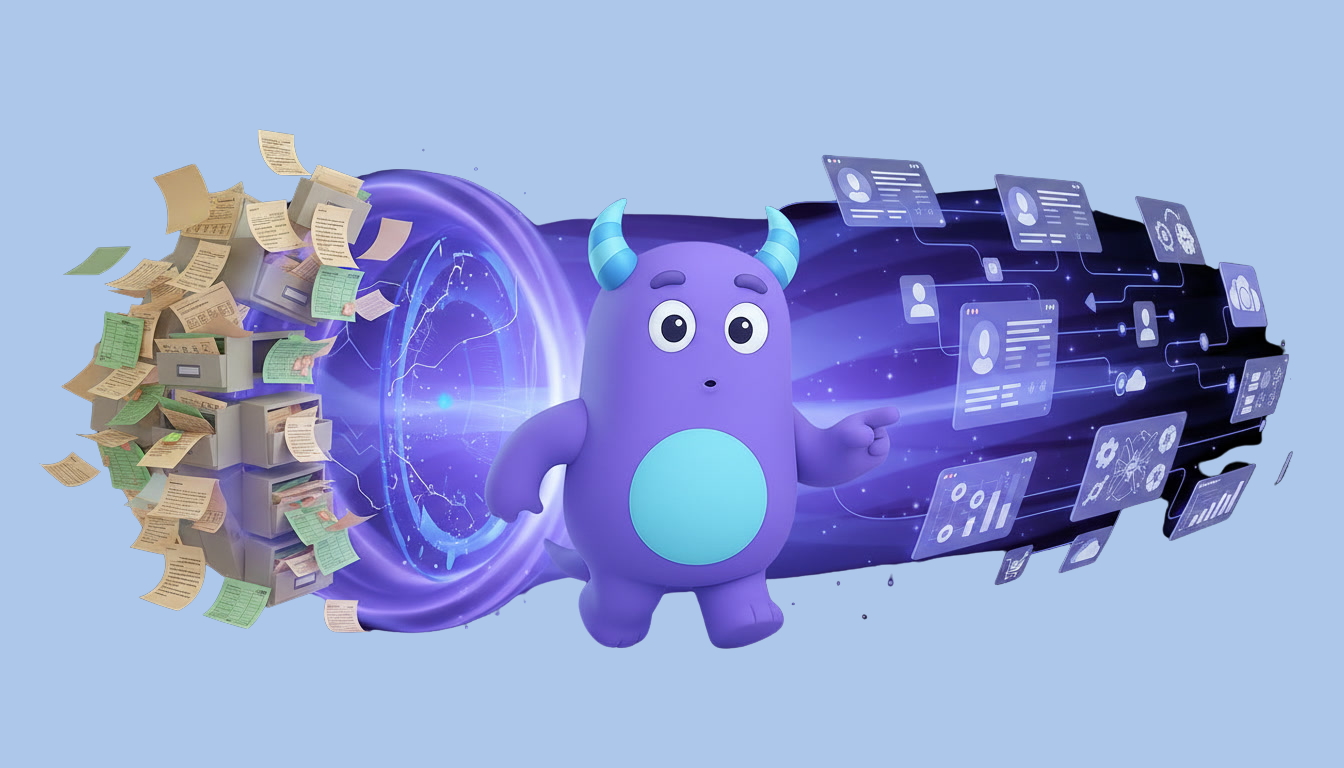

In the early stages of a service business, most work is handled through direct communication and personal coordination. Team members know what is happening because they talk constantly. Decisions are made quickly, and adjustments happen informally.
As the business grows, this approach begins to break down. More clients, more projects, and more people introduce complexity that cannot be managed through memory and conversation alone.
At this point, automation becomes less about efficiency and more about restoring control.
Complexity Grows Quietly
Complexity does not arrive all at once. It accumulates gradually through new services, custom client requests, additional approvals, and growing teams.
Each change feels manageable on its own. Together, they create an environment where work becomes harder to track, coordinate, and predict.
Teams stay busy, but clarity fades.
Manual Coordination Has Limits
Manual coordination depends heavily on people remembering what to do, when to do it, and who is responsible.
As volume increases, this mental load becomes unsustainable. Important steps are forgotten, follow-ups are delayed, and handovers become inconsistent.
Even highly skilled teams begin to feel overwhelmed.
This is often the moment when leaders notice that effort no longer translates into predictable outcomes.
Automation Restores Predictability
Automation introduces consistency where manual processes struggle.
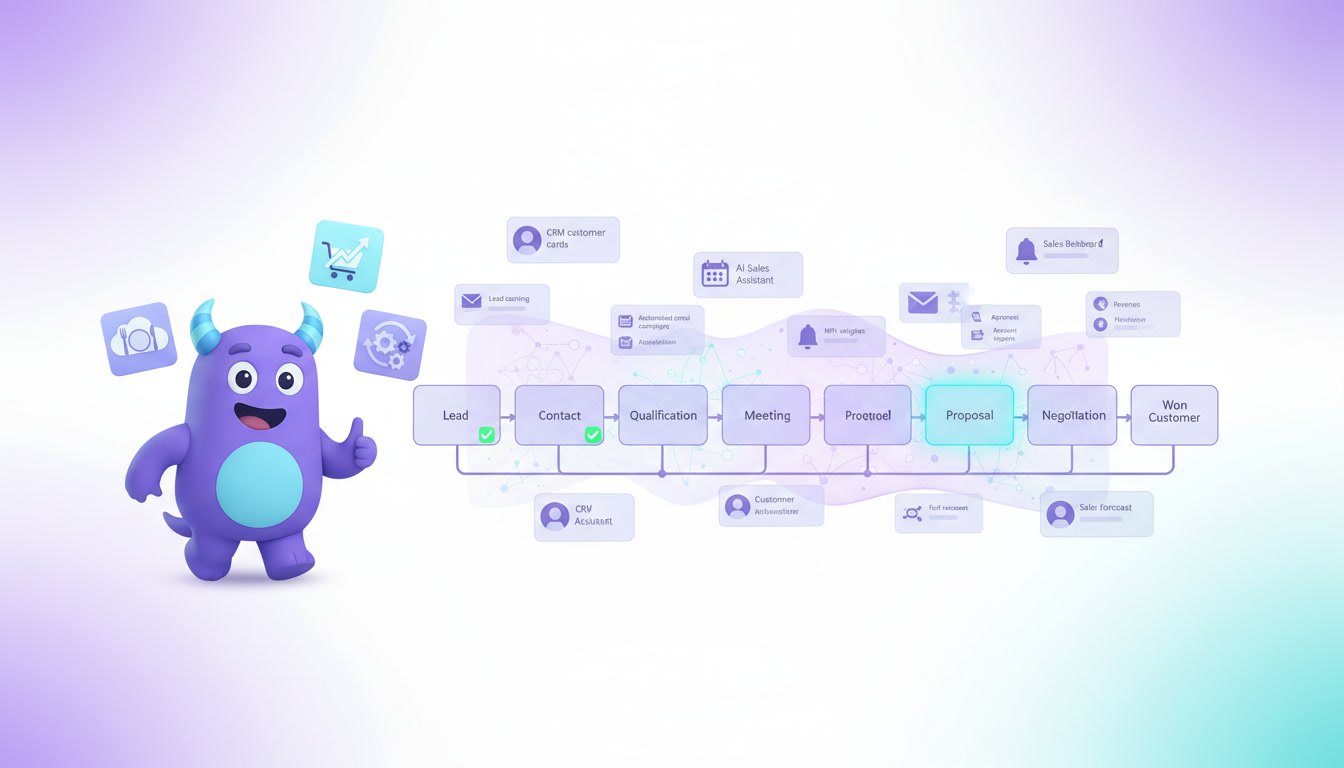
Routine steps happen the same way every time. Tasks appear when they should. Transitions occur without requiring reminders.
This predictability reduces uncertainty and allows teams to focus on execution instead of coordination.
Importantly, automation does not remove human judgment. It removes unnecessary repetition and dependency on memory.
Stability Matters More Than Speed
While automation can increase speed, its greater value lies in stability.
Stable systems reduce stress. Teams know what to expect, managers trust progress, and clients receive consistent service.
When stability exists, improvement becomes possible. Without it, teams remain in constant reaction mode.
Automation Scales Without Adding Pressure
As service businesses grow further, automation allows operations to scale without proportionally increasing coordination effort.
New team members onboard faster. Existing teams spend less time explaining processes. Knowledge becomes embedded in systems rather than individuals.
This shift reduces dependency on hero effort and supports sustainable growth.
Conclusion
Automation becomes necessary when complexity outgrows the ability to manage work manually.
For service businesses, automation is not a shortcut or a trend. It is a structural response to growth. By restoring predictability and reducing coordination burden, automation enables teams to operate with clarity, confidence, and control as complexity increases.
.jpg)

.jpg)