
Operational stress is a constant challenge for service teams. Deadlines overlap, priorities change, and coordination depends on fast reactions. Even experienced teams feel pressure when daily work relies heavily on manual effort.
This stress is often misunderstood as a workload issue. In reality, it is usually a structural issue. When systems rely on memory, reminders, and constant follow-ups, stress becomes part of the workflow.
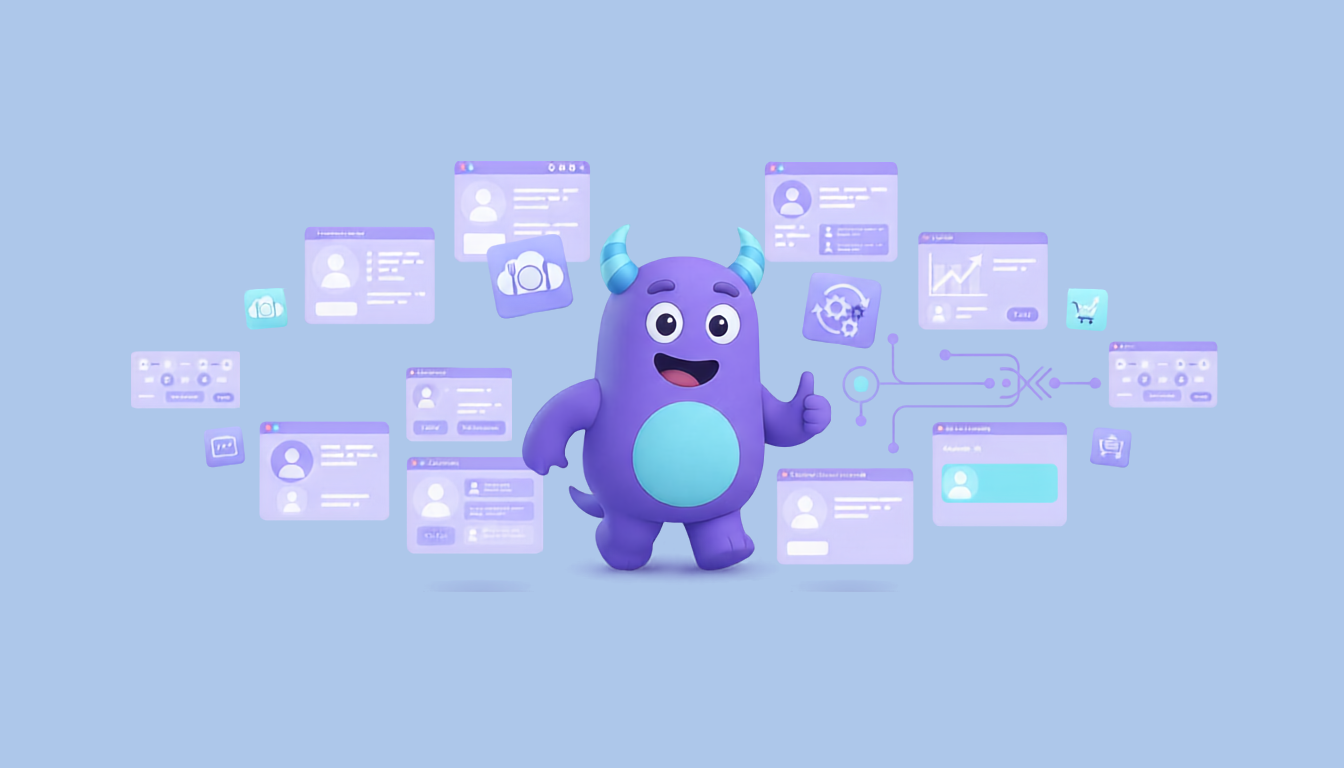
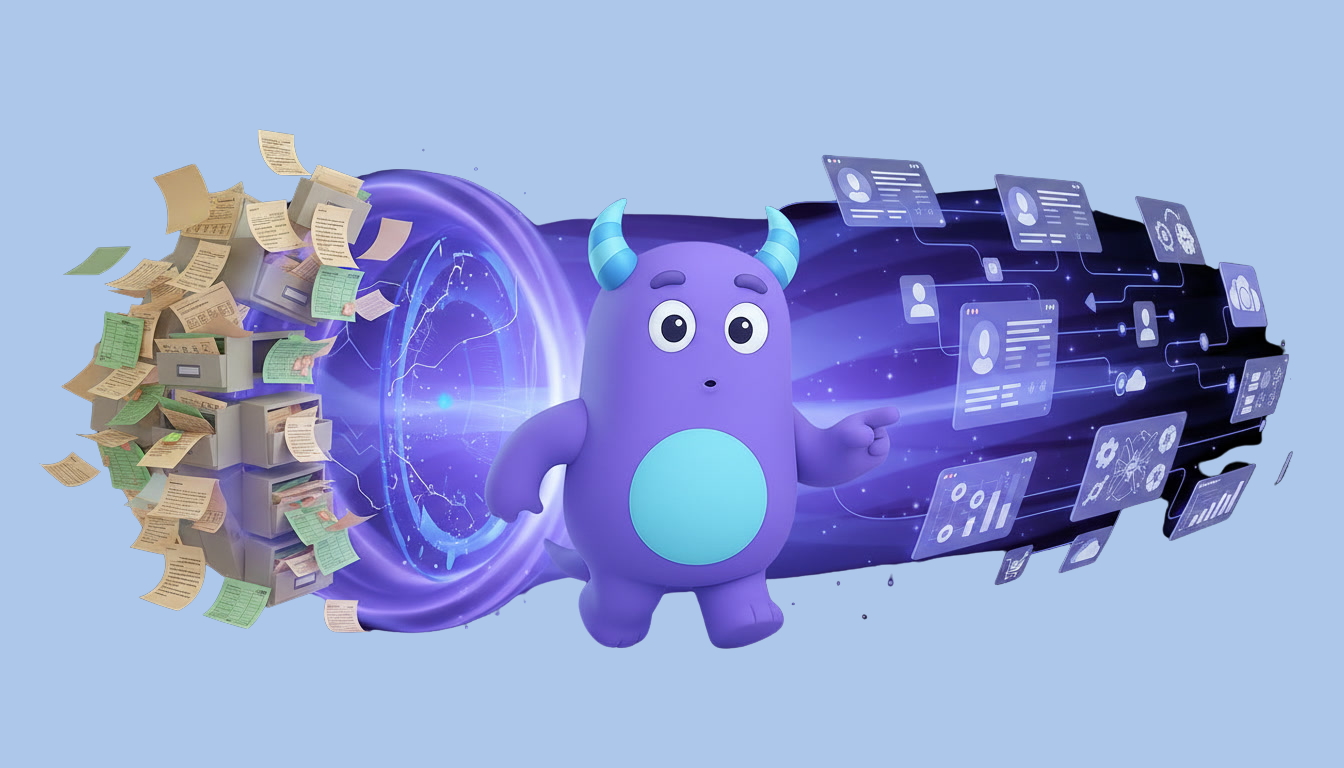
Automation reduces this pressure by creating stability. It removes uncertainty, reduces repetitive coordination, and helps teams focus on meaningful work instead of managing chaos.
Stress Comes From Unclear Expectations
Service teams experience stress when it is unclear what needs to be done, when it must be completed, and who is responsible. Manual task creation and informal communication increase ambiguity.
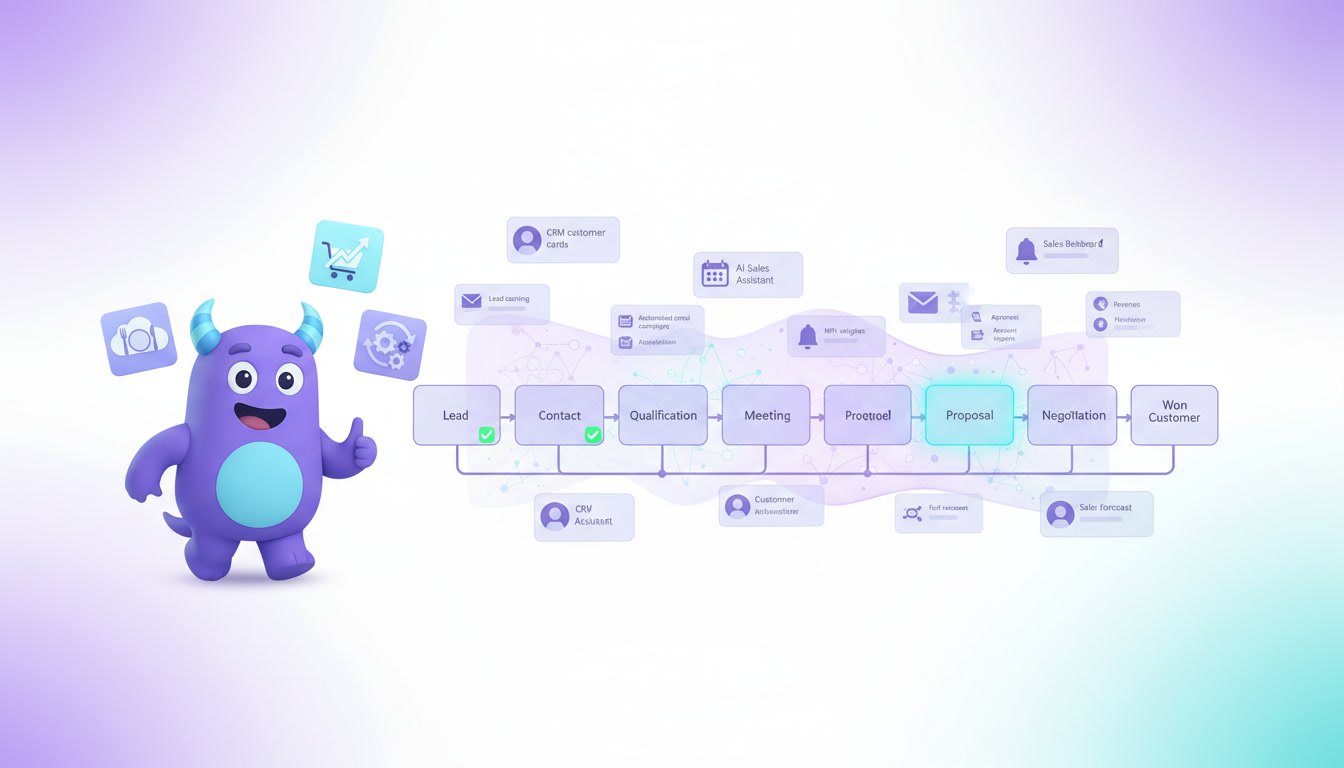
Automation creates clarity by defining workflows in advance. Tasks are created automatically, deadlines are visible, and ownership is assigned consistently. Teams no longer guess what comes next.
Clear structure reduces mental load and improves confidence in daily execution.
Repetitive Coordination Increases Fatigue
Much of the stress in service work comes from repetition. Sending reminders, checking status, following up on approvals, and updating stakeholders consume attention throughout the day.
These actions are necessary, but performing them manually drains focus. Over time, fatigue builds, and mistakes become more likely.
Automation handles this coordination reliably, allowing people to concentrate on delivery rather than follow-ups.
Manual Systems Create Constant Interruptions
When information is scattered, teams rely on interruptions to move work forward. Messages, calls, and ad-hoc questions break concentration and slow progress.
Automation reduces interruptions by making information visible in shared systems. Progress, blockers, and next steps are accessible without asking.
Fewer interruptions lead to calmer, more focused workdays.
Uncertainty Amplifies Pressure
Stress increases when teams cannot see the full picture. Without real-time visibility, people worry about hidden problems, missed tasks, or forgotten commitments.
Automation provides predictable flows and transparent status updates. Teams know where work stands without constant checking.
Predictability reduces anxiety and builds trust across the organization.
Automation Supports Sustainable Performance
Reducing stress is not about working faster. It is about working more reliably. Automation creates systems that support teams even during peak demand.
When workflows are automated, teams recover more easily from disruptions. New requests are absorbed into existing structure instead of creating chaos.
This stability supports long-term performance without burnout.
Where Automation Has the Greatest Impact
Service teams benefit most when automation is applied to task creation, follow-ups, approvals, handoffs, scheduling, and billing triggers. These areas generate the most coordination stress when handled manually.
By automating these processes, teams regain control of their time and energy.
Conclusion
Operational stress is not inevitable in service businesses. It is often the result of manual systems that demand constant attention.
Automation reduces stress by replacing uncertainty with structure, repetition with reliability, and interruptions with visibility. When service teams are supported by automated workflows, they work with greater focus, confidence, and consistency.
.jpg)
.jpg)