Task management has always been an essential part of running a service business, but in 2026 it has become a defining factor that separates consistently high-performing companies from those struggling with delays, miscommunication, and operational chaos. Service teams work in a fast-paced, multi-step environment where internal tasks, customer service actions, and field operations must align seamlessly. When tasks are not structured properly, the result is slow delivery, frustrated clients, and unnecessary costs.
This guide explores the best practices for task management in service businesses for 2026. It covers both sides of the workflow: internal team operations and customer-facing delivery. As service organizations grow, the number of tasks increases, the complexity multiplies, and the need for clear coordination becomes more important. The right system and approach can transform how a business operates.
Why Task Management Matters More Than Ever in 2026
Customer expectations continue to rise across all service industries. Clients now expect fast response times, transparent updates, and predictable delivery. At the same time, internal teams deal with distributed communication, hybrid work, and more complex job requirements. Without a structured task system, teams fail to meet expectations, and customers notice the inconsistencies.
Technology has also raised the standard. Businesses using automation, real-time tracking, and centralized task management are outperforming those relying on spreadsheets, chat messages, and email reminders. This shift is especially visible in service sectors where timing, coordination, and follow-through significantly impact customer satisfaction.
Beyond customer experience, task management directly affects profitability. Missed deadlines lead to rework, poor task visibility leads to duplicated efforts, and unclear responsibilities lead to wasted hours. A well-structured task system reduces these inefficiencies and creates a smoother, more predictable operation.
Understanding the Two Dimensions of Task Management in Service Teams
In service companies, tasks exist in two primary categories: internal operations and customer-facing service delivery. Both categories are equally important, and both must work together for the business to function effectively.
Internal Team Operations
Internal tasks support coordination, team communication, documentation, and overall workflow. These include planning, scheduling, preparing resources, reviewing work, team follow-ups, and internal handoffs. When these tasks are not managed well, teams become reactive instead of proactive, leading to confusion and delays.
Customer-Facing Service Delivery
These tasks relate directly to the service provided to the customer—such as job scheduling, site visits, preparing quotes, providing updates, completing work stages, and follow-up communication. Errors here have immediate consequences on customer satisfaction, trust, and retention.
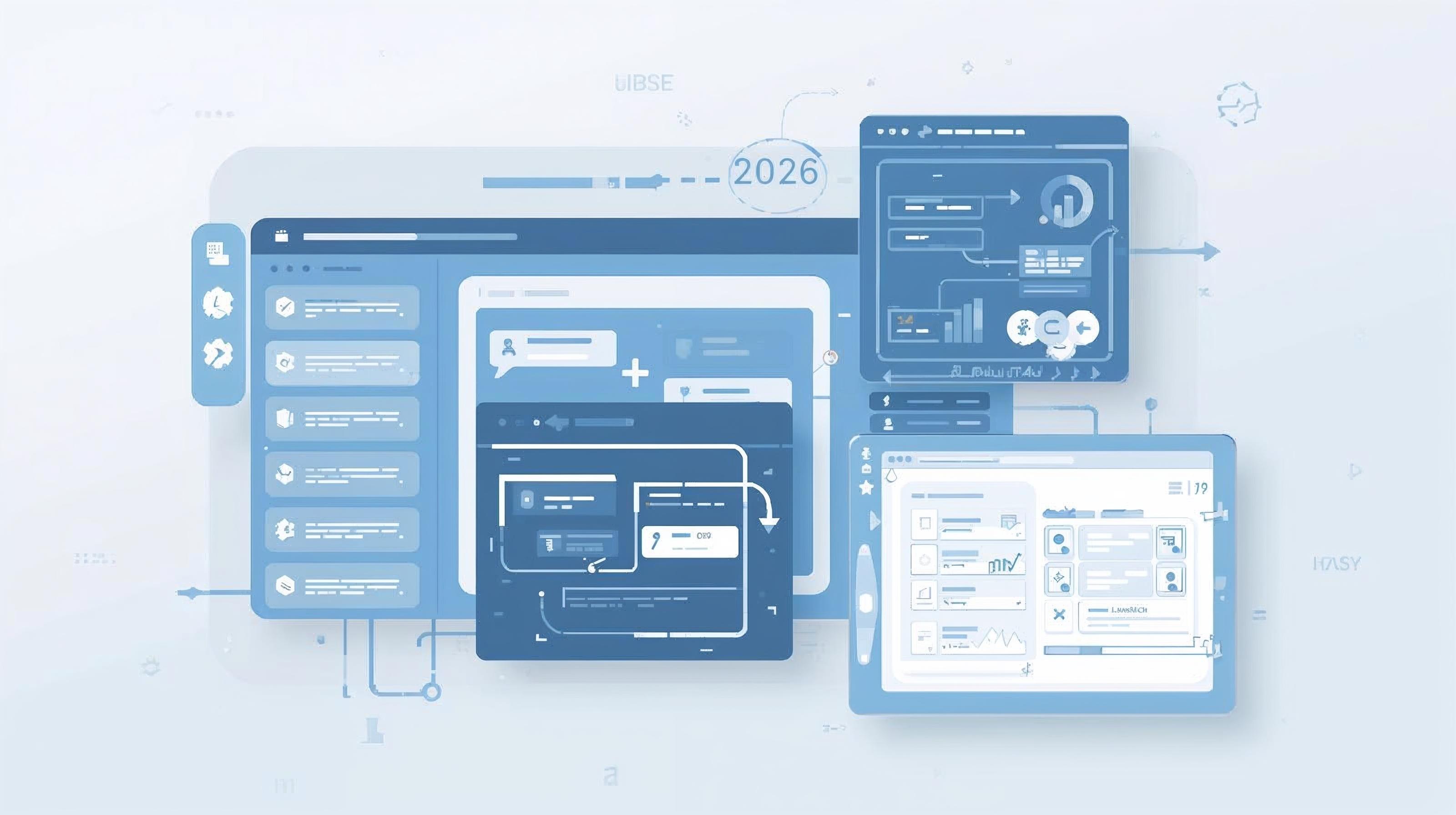
The most successful service businesses in 2026 are those who combine internal and customer-facing workflows into one unified task management system.
Common Challenges Service Teams Face With Task Management
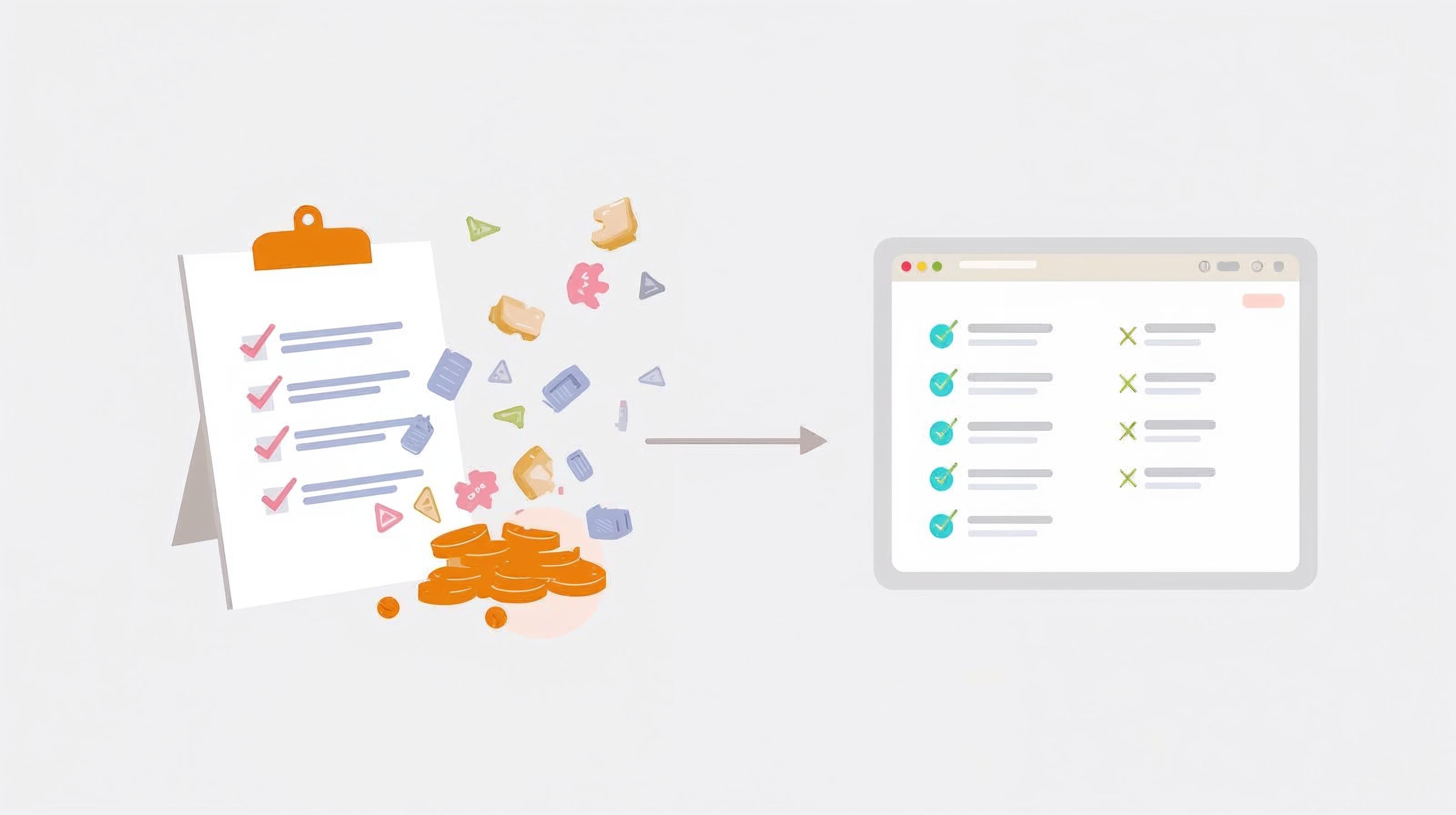
Service businesses often encounter recurring problems in their task workflows. These issues appear regardless of industry, and they highlight why structured systems are essential.
- Tasks are spread across too many tools — notes in WhatsApp, reminders in a calendar, lists in spreadsheets, and updates in email.
- No accountability — tasks are not assigned clearly, so no one knows who is responsible.
- Poor visibility — managers cannot see what is overdue, what is blocked, or what is progressing.
- Inconsistent customer updates — teams forget to send updates or follow-ups, causing clients to lose confidence.
- Missed deadlines — without automated reminders and prioritization, tasks slip through the cracks.
- Unstructured handoffs — when tasks move from one team member or department to another, important context is lost.
- No centralized history — teams cannot quickly see past activities, causing repeated questions and duplicated work.
These challenges slow down operations and create an unpredictable customer experience. The good news is that each issue can be solved with the right structure and best practices.
Best Practices for Task Management in Service Teams
Effective task management requires a combination of process, technology, and team alignment. The following best practices reflect the most successful strategies used by high-performing service businesses in 2026.
1. Centralize All Tasks in One System
Teams should not use multiple disconnected tools for daily work. A centralized platform ensures consistent tracking, reduces confusion, and keeps communication aligned. When tasks, notes, customer details, deadlines, and files live in one system, teams work faster and with more clarity.
Centralization also reduces the risk of losing important information and makes it easier for managers to oversee progress across the entire business.
2. Assign Clear Ownership and Accountability
Every task must have a designated owner. Without ownership, tasks become optional, and deadlines lose meaning. Assigning responsibility ensures that someone is accountable for completing the work, even if multiple people collaborate.
Clear ownership also supports performance measurement and improves teamwork by reducing confusion about who should act next.
3. Use Automation to Reduce Repetitive Work
Automation is essential for service businesses in 2026. Systems can automatically create tasks, send reminders, update statuses, notify team members, or trigger follow-ups based on specific conditions. This eliminates human error and increases consistency.
Automated task workflows are particularly valuable for customer-facing processes such as onboarding, job execution, or after-service follow-ups.
4. Prioritize Tasks Based on Impact and Urgency
Not all tasks are equal. Teams should learn to categorize tasks based on urgency, customer importance, deadlines, and operational impact. A structured priority model helps service teams handle workload more efficiently and prevents critical tasks from being overshadowed by less important activities.
Task management tools that support priority tagging make it easier for individuals and teams to focus on the right work at the right time.
5. Improve Communication Through Detailed Task Notes
Good task management requires context. Teams must include relevant details, instructions, attachments, and links inside tasks. This avoids miscommunication and helps others understand the work without needing verbal explanations.
Detailed task notes also improve handoffs, especially when tasks move between sales, operations, field teams, or support.
6. Provide Real-Time Updates to Customers
Customer expectations in 2026 revolve around transparency. Clients want to know what stage their service is in, what has been completed, and what comes next. Structured task management allows businesses to send real-time updates, automated notifications, and progress summaries.
When customers feel informed, they trust the business more and experience fewer frustrations.
7. Review Task Performance and Identify Bottlenecks
Task performance should be reviewed regularly. Managers should look for overdue tasks, repeated delays, blocked work stages, or individuals overwhelmed with too many responsibilities.
Identifying bottlenecks early allows service businesses to adjust workloads, improve processes, and eliminate obstacles before they affect customers.
How Service Businesses Benefit From Better Task Management
When service teams adopt structured task management practices, the benefits extend across the entire organization. Operations become more predictable, revenue becomes more stable, and customer satisfaction increases. Some of the most significant advantages include:
- Faster service delivery and improved reference times
- Greater visibility and control over operations
- Higher customer satisfaction through consistent communication
- Better collaboration between departments
- Reduced errors and fewer missed deadlines
- More accurate workload distribution
- Increased accountability and stronger performance
These outcomes have a direct impact on profitability. Companies with strong task management structures consistently outperform those relying on manual methods.
Conclusion
Task management is no longer a simple list of things to do. In 2026, it is a strategic foundation for service businesses that want to deliver high-quality work, retain customers, and scale operations efficiently. When tasks are centralized, automated, and clearly structured, teams work better, customers stay informed, and the entire service experience becomes more predictable and professional.
Implementing the right task management practices allows service teams to operate with confidence, reduce operational friction, and maintain strong customer relationships—key elements for long-term success in a competitive environment.